
Event Report: National-Level Education Stakeholders (I/NGOs) Meet
Project Name: Promoting Gender Equality and Social Inclusion in Schools Building on What Children Value and Aspire to Do and Be
Event Summary
- Program Name: National-Level Education Stakeholders Meet: Initial Dialogues with National-Level Key Stakeholders (I/NGOs)
- Milestone 2: Identification and meeting with national/local cross-sectoral stakeholders directly/indirectly engaged in the education sector
- District: Cox’s Bazar
- Date: December 22, 2024
- Venue: Conference Room, Hotel Beach Way, Cox’s Bazar
- Participants: 50 (27 I/NGO representatives, District education officials, Media representatives, Head Teacher, Social Science Teacher LREP program staff, and Promoting GESI project staff)
- Key Guests: District Education Officer, Cox’s Bazar; Primary Education Officer, Cox’s Bazar;
Overview
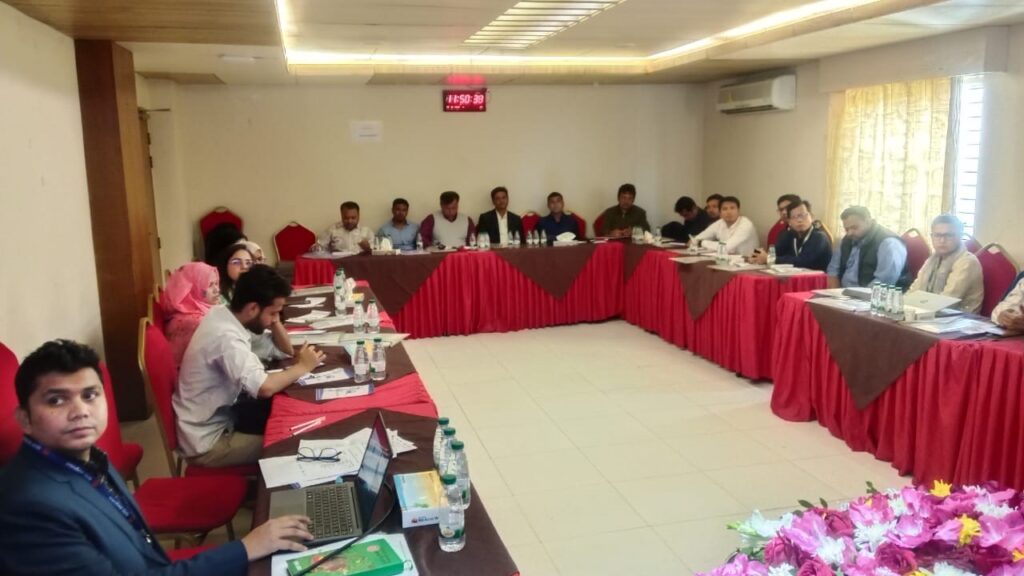
On December 22, 2024, RDRS Bangladesh convened a National Level Education Stakeholders Meet at the Hotel Beach Way in Cox’s Bazar. The event brought together 50 participants, including representatives from I/NGOs, local education officials, and media personnel. The primary aim was to strengthen the engagement of I/NGOs in promoting gender equality and social inclusion (GESI) within educational environments in Cox’s Bazar.
The meeting featured a presentation by Syeda Nure Nabila Tabassum, Project Manager, who emphasized the need for NGO support in addressing GESI-related challenges. She called for concerted efforts to highlight successes and overcome obstacles to building gender-sensitive and inclusive schools.
Md. Nazmul Hossain, Research Associate, provided an insightful presentation on RDRS Bangladesh’s GESI initiatives, recent findings on school environments, and the transformative role NGOs can play in advancing gender equality and social inclusion. Mr. Ashok Malakar, Finance and Admin Assistant, coordinated the logistical aspects of the event.
Guest Reflections
- District Primary Education Officer Md Shaheen Mia
- Advocated for gender equality starting within families, emphasizing the need for equitable behavior at home.
- Urged journalists to inspire societal change through narratives that promote family equality and gender inclusion.
- Highlighted the importance of NGOs in environmental protection efforts, beginning within the education sector.
- District Primary Education Officer Mohammad Sajjad (in-charge)
- Stressed the critical role of NGOs in raising GESI awareness in schools and fostering community participation in educational development.
- Called for NGO focus on improving infrastructure and implementing safety measures in schools.
- District Education Officer Ram Mohan Sen
- Underscored the importance of gender equality and ethics in the social system.
- Acknowledged the immense role of NGOs in societal development and assured full support for research initiatives.
Contributions from NGO Representatives
- Suggested family counseling sessions, publishing articles on gender equality in newspapers and online media, and organizing public awareness seminars.
- Discussed the potential of NGOs to challenge societal inequalities and advocate against harmful practices such as child marriage and gender-based violence.
- Highlighted the need to promote women’s empowerment, particularly through education and career opportunities for girls.
- Emphasized the importance of NGOs in:
- Ensuring child protection and social inclusion.
- Preventing child marriage.
- Improving hygiene standards in schools.
Reporter Observations
- Media representatives suggested playing a proactive role in family counseling, awareness campaigns, and writing articles that address gender equality issues.
- Recommended media narratives should challenge state and social discrimination, advocate for eliminating violence against women, and support female empowerment.
- Encouraged religious and community leaders to participate actively in raising GESI awareness.
Conclusion
The meeting concluded with a speech by the District Education Officer, who urged all stakeholders to collaborate for the advancement of education. He emphasized the importance of working together to address GESI challenges, improve school environments, and promote inclusive educational practices.
Follow-Up Actions
- Developing GESI Advocacy Strategies: Collaborate with I/NGOs to create actionable plans for promoting gender-sensitive and inclusive schools.
- Enhancing Infrastructure and Safety Measures: Strengthen efforts to improve school facilities, ensuring a safer and more inclusive environment for all students.
- Fostering Media and NGO Collaboration: Encourage ongoing partnerships between media and NGOs to amplify advocacy efforts.
- Monitoring Progress: Conduct regular follow-ups to assess the impact of GESI-focused initiatives and stakeholder contributions.
Purpose and Objectives
Purpose:
To engage national-level stakeholders in advancing gender equality and social inclusion in Cox’s Bazar’s educational sector through collaborative dialogues and actionable strategies.
Objectives:
- Strengthen NGO and Media Engagement: Equip stakeholders to address GESI issues in schools effectively.
- Raise Awareness: Enhance understanding of GESI challenges and their impact on children’s education.
- Advocate for Inclusive Learning: Promote improved school infrastructure and the implementation of safety measures.
- Encourage Community Involvement: Inspire collective action to foster inclusive and equitable educational practices.
This meeting served as a significant milestone in fostering a collaborative approach among stakeholders to establish gender-sensitive, inclusive educational environments in Cox’s Bazar, ultimately benefiting children and communities.
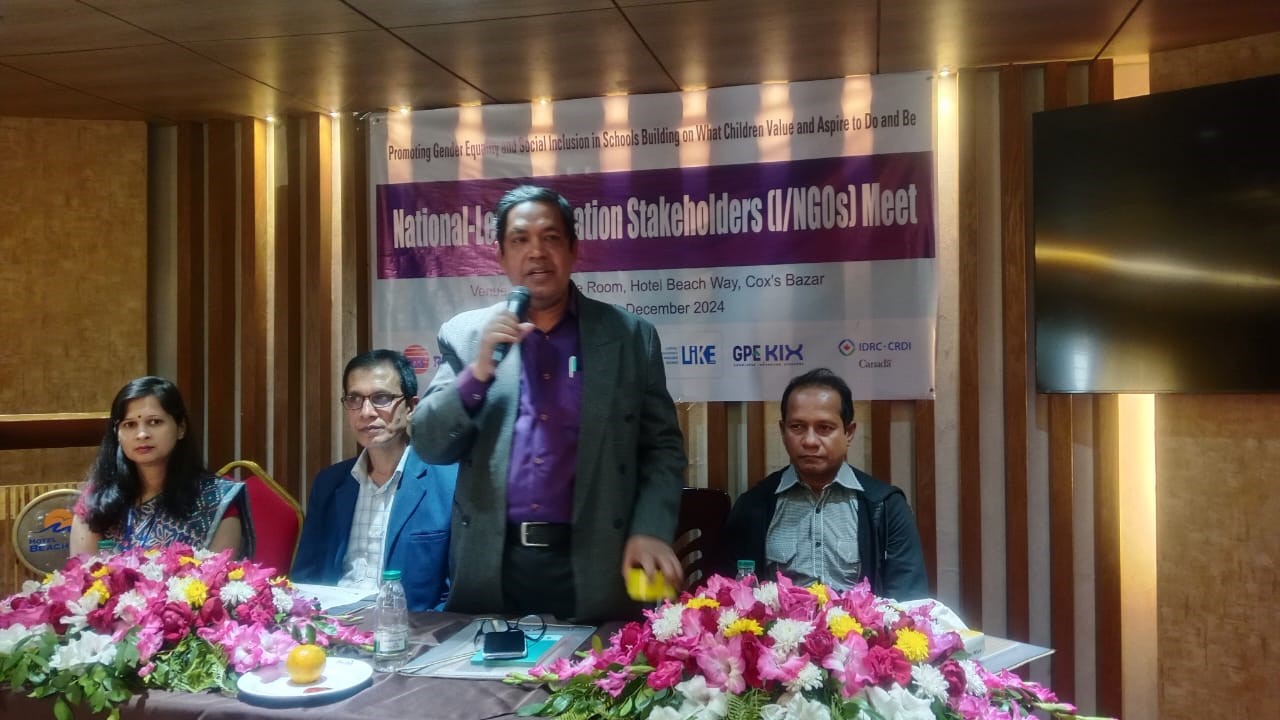
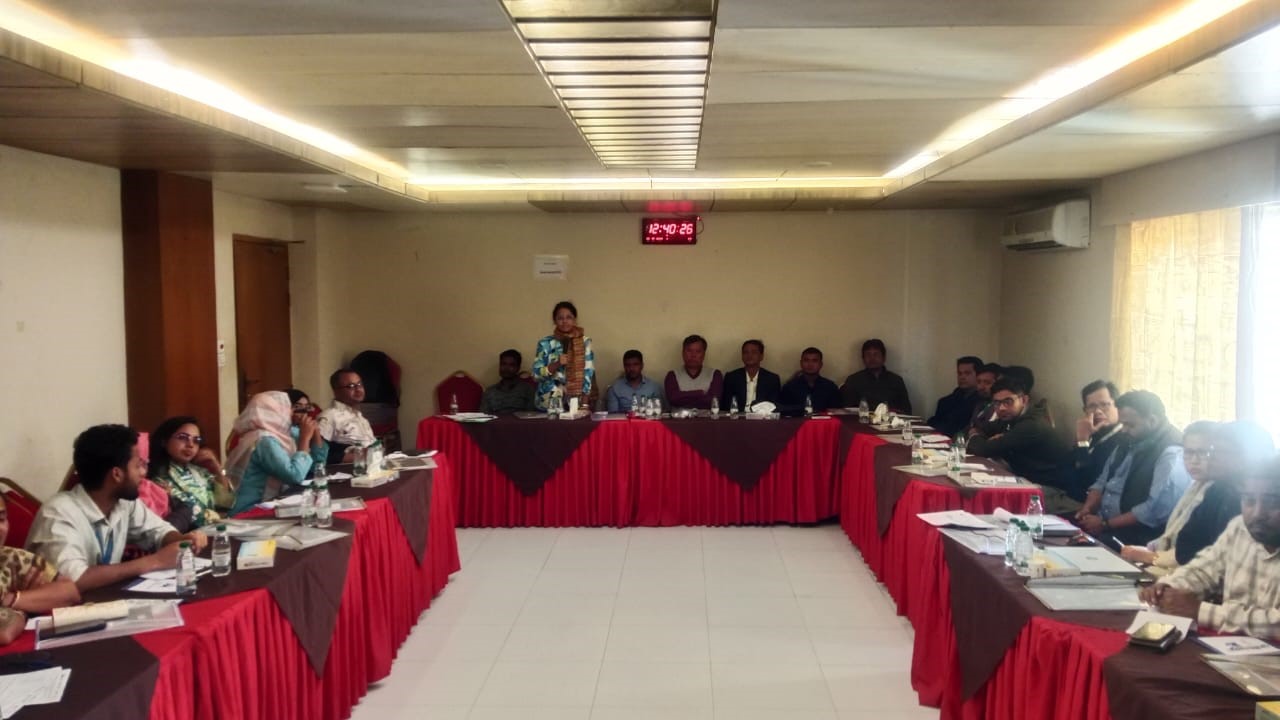
Photo: National-Level Education Stakeholders (I/NGOs) Meet