Narrative Report: Local-Level Education Stakeholders Meet
Project Name: Promoting Gender Equality and Social Inclusion in Schools Building on What Children Value and Aspire to Do and Be
Event Summary:
Reported By: Md. Nazmul Hossain
Name of the Program: Local-Level Education Stakeholders Meet
Milestone 2: Local Level Education Stakeholders Meet: Initial dialogues with local level key stakeholders (Personals of NGOs working with children, municipality heads, school headmasters, teachers, and parents)
District: Cox’s Bazar
Date of the meeting: 18th November 2024
Place: Conference room, Moheshkhali Upazila Office
Number of participants: Total – 24 (Male: 16; Female: 08)
Chief Guest: Honorable Upazila Primary Education Officer, Moheshkhali
Overview
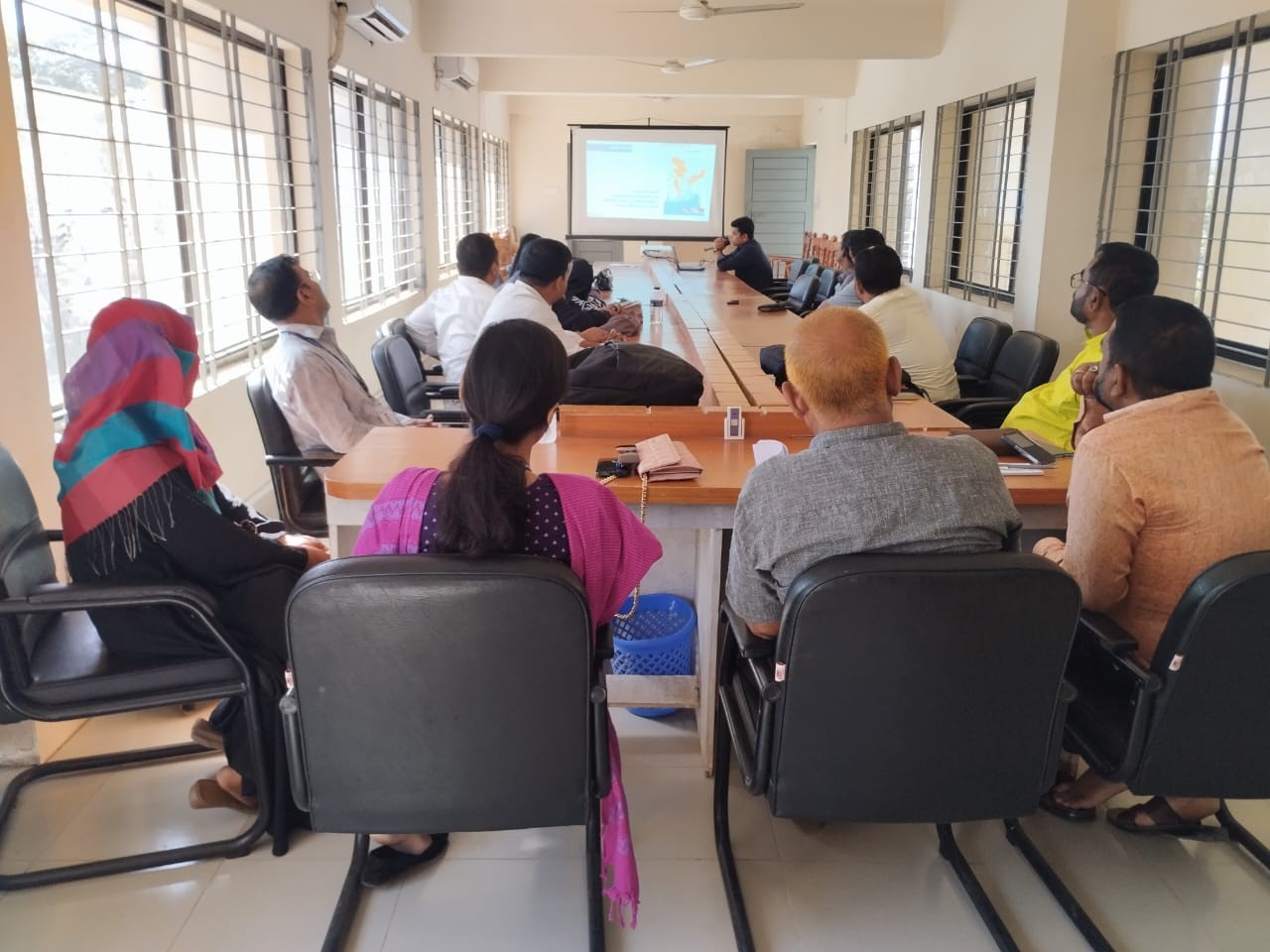
RDRS Bangladesh hosted a Local-Level Education Stakeholders Meet on 18th November 2024 in the conference room of the Moheshkhali Upazila Office. This meeting brought together 24 participants, including representatives from NGOs, local government, school headmasters, teachers, and parents. Among them, 8 were female and 16 male participants, reflecting diverse local-level perspectives on education in the region.
The program commenced with a welcome speech by the Project Manager of RDRS Bangladesh, emphasizing the importance of collective action to improve education. The speech outlined the role of local stakeholders in fostering inclusive and equitable education for all children, particularly focusing on gender equality and social inclusion (GESI).
A Research Associate from RDRS Bangladesh led an engaging presentation that introduced the organization’s work, explained GESI concepts in the Bangladeshi context, and shared relevant findings regarding local education. The presentation laid the groundwork for the discussions that followed, raising awareness about the role of local-level stakeholders in supporting gender equality and social inclusion.
Guest Reflections
- Chief Guest’s Address:
The Honorable Upazila Primary Education Officer discussed the critical need for improvements in school infrastructure, especially WASH facilities, to create a more conducive learning environment. The Chief Guest also emphasized the importance of:- Counselling girls to reduce dropout rates and address challenges like early marriage.
- Addressing teacher shortages and recruiting skilled educators.
- Motivating boys to stay in school instead of joining the workforce at an early age.
- Establishing safety measures such as boundary walls and deploying gatekeepers.
Stakeholders’ Contributions
- School Headmasters and Teachers:
- Highlighted key challenges, including early marriage, lack of parental awareness, and students dropping out due to poverty.
- Emphasized the need for counselling programs for both girls and boys to prevent dropouts and reduce early workforce involvement among boys.
- Identified gaps in infrastructure, particularly sanitation facilities, and the necessity of hygiene-friendly environments.
- Stressed the importance of appointing gatekeepers for school security and addressing the shortage of teachers.
- Parents:
- Voiced concerns about school safety, particularly for girls, and stressed the need for counselling programs to discourage dropouts.
- Requested improved access to safe drinking water and gender-specific sanitation facilities to enhance girls’ school attendance.
- Called for measures to ensure safe access to schools, including transport and secure school routes.
- NGO Representatives:
- Stressed the importance of raising parental awareness to improve the education environment.
- Advocated for empowering girls through education and fostering understanding of gender sensitivity.
- Highlighted the necessity of skilled teachers and the need for upgraded WASH facilities.
- Shared experiences of working with marginalized children, emphasizing inclusive practices.
- Reporter’s Observations:
- Raised concerns about early involvement of boys in work and the risks of drug abuse among students.
- Highlighted the need for better transport facilities to ensure safe school access.
- Suggested increasing infrastructure support for students with disabilities (PWD) to promote inclusivity in schools.
Observations and Insights
The discussions identified several critical challenges and potential solutions:
- Addressing early marriage and early involvement of boys in work through targeted counseling and awareness programs.
- Improving school infrastructure, particularly sanitation, hygiene facilities, and safe drinking water.
- Increasing teacher recruitment and deploying security personnel like gatekeepers.
- Enhancing inclusivity by providing better facilities for PWD students.
- Ensuring safe transportation and secure access to schools.
Conclusion
The Local-Level Education Stakeholders Meet provided an opportunity for meaningful dialogue among stakeholders to address barriers to education in Cox’s Bazar. The collaborative approach fostered during the meeting underscored the importance of addressing infrastructure gaps, empowering girls, and creating safer, more inclusive schools.
Follow-Up Actions
- Develop a comprehensive action plan addressing infrastructure upgrades, teacher recruitment, and WASH improvements.
- Implement counseling programs to address early marriage, dropout rates, and early workforce involvement among students.
- Raise parental awareness about the importance of education and gender-sensitive practices.
- Ensure the inclusion of PWD students through improved school facilities.
- Advocate for better transport options and security measures to ensure safe access to schools.
Purpose and Objectives
Purpose:
To bring together key stakeholders to identify barriers to education and promote GESI in schools, fostering a safe and inclusive learning environment.
Objectives:
- Raise awareness among stakeholders about GESI challenges and their impact on education.
- Address key challenges, including infrastructure gaps, early marriage, and student dropout rates.
- Empower girls and marginalized students through targeted programs and improved facilities.
- Strengthen collaboration among local authorities, NGOs, schools, and parents to create sustainable educational solutions.
This event marked a pivotal step in driving collective action to ensure equitable education for all children in Cox’s Bazar.